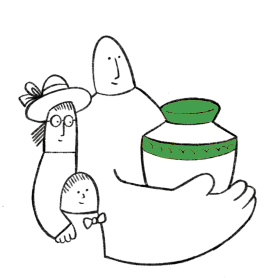
Direct cremation is a simple, unattended cremation. This page explains how it works, what it usually costs and how families use it to create a more personal goodbye in their own time.
A direct cremation is a cremation without a formal service. More families choose it to keep things simple and to create their own, personal goodbye when the time is right.

Families can take the time they need to plan a goodbye that truly reflects the person they love — with people gathered where it matters most.

There is no procession, no venue to book and fewer extras to think about. The crematorium carries out a respectful, straightforward cremation.

A simple, unattended cremation is usually much less than the average cost of a traditional UK funeral. Many providers offer direct cremations from around £1,295, although prices vary by region and provider.
The provider arranges to bring the person who has died into their care, completes the necessary paperwork and books the cremation at a local crematorium.
An unattended cremation takes place at the crematorium. The team there looks after the person respectfully throughout.
Ashes can usually be scattered at the crematorium, collected by the family or, with some providers, hand-delivered to an address in the UK for an additional fee.
Direct cremation gives you the freedom to honour a life in your own way, without the limits of a set service at a crematorium.
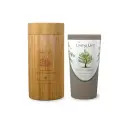
From scattering urns for water or woodland to ceramic display urns — families often choose what feels most meaningful to them.
For planting
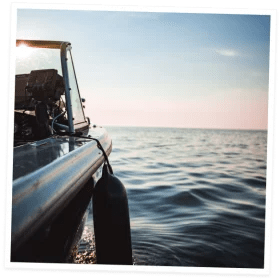
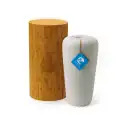
For releasing in water
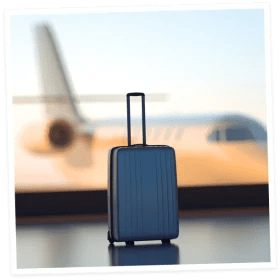
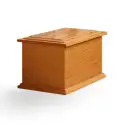
For travel

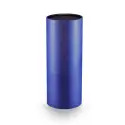
For scattering
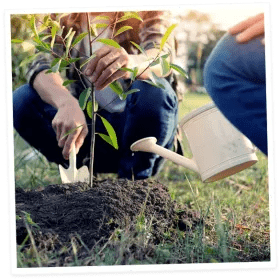
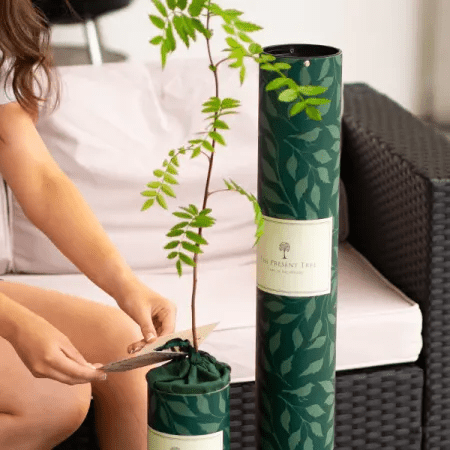
Some families choose to plant a memorial tree in their loved one’s name — a living tribute for years to come.
Speaking to a funeral specialist can help you understand the options, paperwork and next steps — or simply provide a listening ear.
Many people hold a small gathering at home, in a garden, at a favourite place or in a community venue. There is no single “right” way — only what feels right for you.
Need to talk it through?
020 8895 6899Line open
Every goodbye is personal. Big or small, traditional or informal — families choose what feels right for them and those who loved the person.
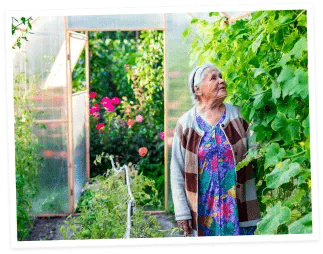
" My sister loved her garden, so we planted a rose bush with her ashes together as a family. "
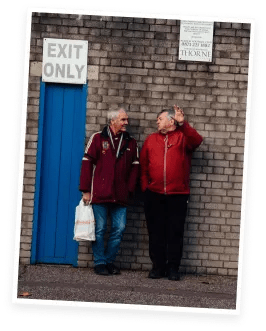
" We held a simple celebration of life at the football club he loved — it felt much more like him than a formal chapel service. "
" We created an online tribute page to share photos and memories and to fundraise for a favourite charity. "

" My grandmother wanted a simple farewell with her ashes scattered at her favourite place. Choosing a direct cremation made that possible. "
ABI

" We felt more comfortable organising our own gathering and keeping the cremation itself very simple. "
FRANKIE
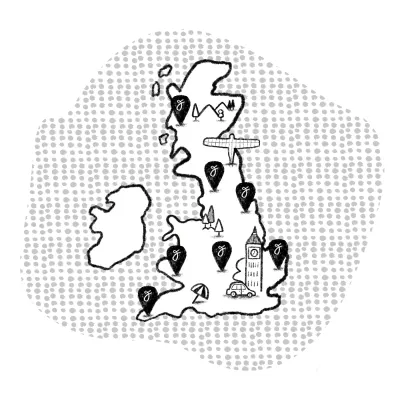
Direct cremations are available across most of the UK, including remote locations. If you’re unsure whether a provider covers your area, it’s always worth calling to check.
Need information now?
020 8895 6899Line open
What are the benefits of a direct cremation?
It is usually more affordable than a traditional funeral and gives families time and freedom to arrange a memorial or celebration of life that truly reflects the person.
What’s the difference between an attended cremation and a direct cremation?
Attended cremation usually includes a service led by a celebrant or faith leader, with mourners present at the crematorium.
Direct cremation is a cremation without a service. Ashes can be scattered at the crematorium or returned so that family and friends can hold a separate farewell later.
How much does an unattended direct cremation cost?
A simple unattended direct cremation in the UK typically starts from around £1,295, although prices vary by provider and location.
In addition to the main price, families may also need to budget for:
Many providers include a simple coffin and a basic scattering urn in the main price. Alternative urns and coffins will usually cost more.
Who will return the ashes to me and how quickly?
Ashes can usually be scattered at the crematorium or collected by the family.
Some providers also offer hand-delivery for an additional fee. Depending on distance and availability, this can take from around 10 to 20 days after the cremation.
What can I do with the ashes after a cremation?
Ashes can be kept at home, scattered at a meaningful place, placed in a columbarium or buried at a crematorium.
There are many other ways to honour a life — for example, a memorial event with a scattering ceremony or even a firework tribute.
You can also find ideas in guides about what to do with ashes after a cremation.

A standard cremation includes a traditional service at a crematorium. A direct cremation is unattended — the crematorium cares for your loved one, performs the cremation and the ashes are returned to you.
Request Your Guide
Many families hold a personal memorial and then choose to keep, bury or scatter the ashes — or create keepsakes for relatives.
Request Your Guide
Ashes can be scattered in most places with the landowner’s permission. For rivers or at sea you don’t usually need a permit, but it’s best to follow Environment Agency guidance.
Request Your Guide

We’re EcoCremation — here to help every family understand their options and think about a goodbye that feels just right for them and the person they love.
Or call us now
020 8895 6899